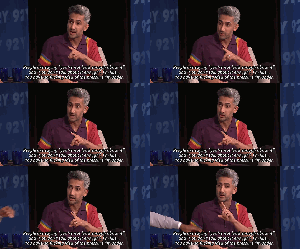
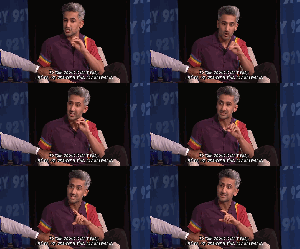
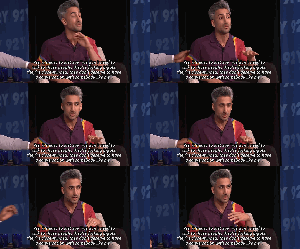
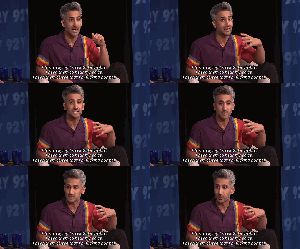
Having separate flags is good bcos it’s good to have a symbol for your particular identity to embrace but it also important to remember the rainbow flag unites us all. All LGBT+ people can use it. I feel like it’s somehow become assumed by a lot of younger lgbt+ people that it’s only fr gay men, which it isn’t and never has been
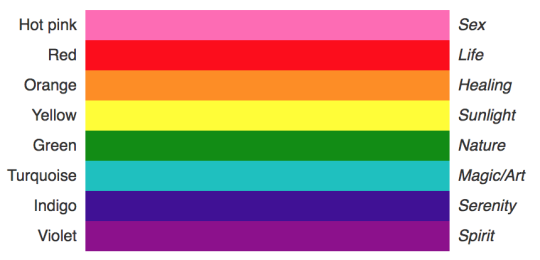
The rainbow flag when originally created by Gilbert Baker in 1978 actually contained 8 stripes that were assigned values and specific meanings that were meant to show what unites us and what we value as a community,
It took 30 people to hand dye AND hand stitch the first 2 pride flags- 30 people of various identities came together to create the first symbol of pride. Hot pink was removed due to fabric shortages and turquoise was mixed with indigo to have the darker blue we have today.
Having individual flags is great to show your identity but I think we shouldn’t forget that the rainbow flag isn’t reserved for gay men, it was created to show what we all have in common regardless of identity.
In today’s guest post you get to learn a bit about Lisa Jenn Bigelow, the author of middle grade f/f novels Starting From Here and newly released Drum Roll, Please, and about her experience growing up and becoming a writer.
Drum Roll, Please: How an F/F Tween Novel Was Born, Grew Up, and Came Out of the Closet By Lisa Jenn Bigelow
1995
Senior year of high school. After two years of questioning, I’d decided I was gay. Probably. Aside from a trip to the mall with a skater boy, I’d never dated. Everything felt hypothetical.
I’d scoured libraries and bookstores for queer books. (This was before I had Internet access.) Those I found were mostly about gay men, mostly about AIDS. Nothing for teens. There was a lesbian bookstore downtown. I’d read about it in the paper, seen its rainbow flag flying. I mustered the nerve to go in. There, I found a flyer for an LGBTQ teen support group. The group had its own library, packed into a Styrofoam picnic cooler. There was Annie on My Mind, by Nancy Garden. Tales from the Closet, by Ivan Velez, Jr. Queer YA existed after all.
I wish I’d discovered these books earlier, before I started to question myself. I wish there had been more of them. I wish they’d all had happy, or at least hopeful, endings. My life today is still shaped by those early years of feeling alone, afraid, and inferior. I was fortunate to feel confident of my parents’ and closest friends’ support, whenever I came out. But school was a homophobic environment. The local paper regularly printed homophobic letters to the editor.
Day after day, the headlines debated whether gay people deserved the same rights as straight people. President Clinton passed “Don’t Ask, Don’t Tell” and the Defense of Marriage Act. Homosexuality was technically a crime in many states.
I didn’t think I’d ever be allowed to marry. I didn’t think I could ever have children. But those books in the cooler were a ray of hope.
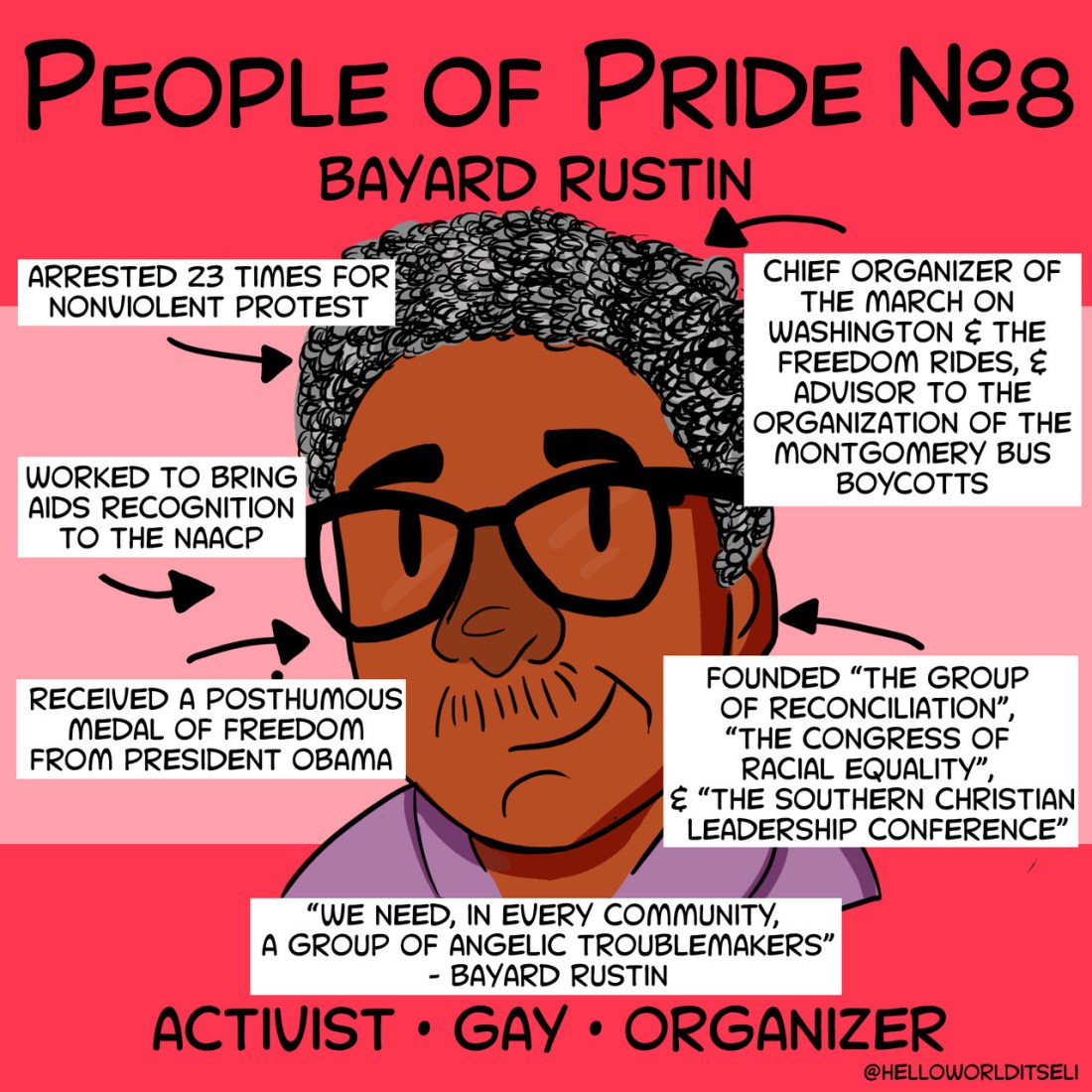
Bayard Rustin was the black, gay, non-violent activist responsible for organizing the March on Washington. His pioneering contributions to the fight for economic, racial, & LGBT+ equality are immeasurable, there is so much more to say than there is room to say it. Bayard Rustin is a name lost in history books that should have never been forgotten, I encourage you to read more about who he was, what he loved, and what he conquered here:
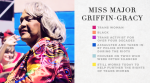
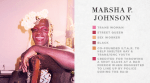
Every day in June, I will be posting an illustration that highlights an LGBT+ activist who I believe everyone should know. This series will be in no way comprehensive, & will include a multitude of identities, races, sexualities, and genders.




 knitting in the dark