aureliaborealis:
prokopetz:
prokopetz:
Rape is the only crime on the books for which arguing that the temptation to commit it was too clear and obvious to resist is treated as a defence. For every other crime, we call that a confession.
I’ve gotten more angry asks about this post than I have actual reblogs.
imagine hearing “well if he didn’t want to be shot, he should have worn a bulletproof vest” on a trial
The thing is, though, it is said, in the case of racial minorities and vulnerable people. How often has a black person been shot just for driving/walking/ringing the cops for help/wearing a hoodie/playing in a park? How often do people say they should have behaved differently, as though their actions were a logical precursor to their murder?
How often do Jewish people, Sikhs and Muslims get blamed for being ‘too’ who they are in public? Especially women wearing a headscarf or men wearing a turban? How many are told, ‘well, what did you expect?’ when they try to report a hate crime?
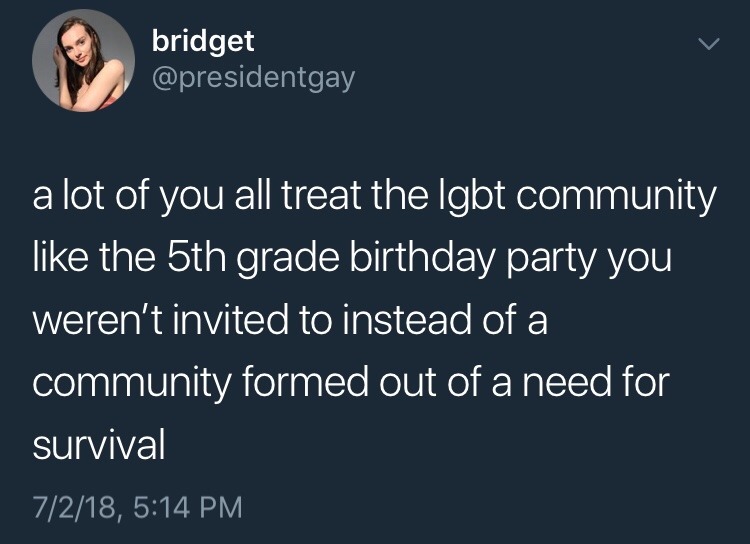
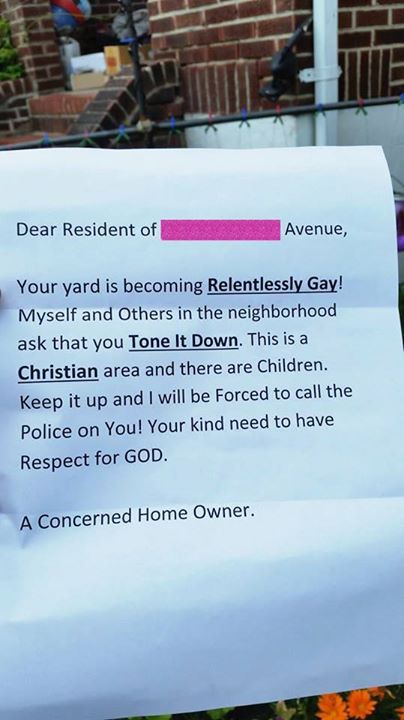
How many queer people are blamed for their own murders and assaults simply for existing in public spaces? How many are told that if they just made an effort to be normal, they’d have been safe? How many were assaulted when they were actually passing, but were outed as queer and found themselves trapped and abused by people who felt angry at being ‘tricked’?
How many disabled people have been murdered just for not being normal? How many autistic children and adults are killed by their caregivers annually, or subjected to torturous therapies to try to cure them? How many interviews, articles, memoirs and documentaries justify this cruelty in the name of normalisation and blame the disabled person for the impact of their disability on their families?
People have always blamed victims. Yes, it happens to victims of rape and sexual assault, and always has done, and is disgustingly regularly reported as justification for what happened. But it happens to others too. Also, please remember that the rates of rape and sexual assault of people of colour, queer people and disabled people are far higher than the general population, and that it is far harder for these victims to access the justice system, compensation and health/support services.











 knitting in the dark