ifeelbetterer:

miwrighting:

kototyph:

leupagus:

killerville:


WOOED THE WORD YOU’RE LOOKING FOR IS WOOED

GUESS WHOSE TAGS ARE TOTALLY GETTING REBLOGGED

Star-struck Interviewer: “You must miss the good old days.”

Steve Rogers: “I grew up in a tenement slum. Rats, lice, bedbugs, one shared bathroom per floor with a bucket of water to flush, cast iron coal-burning stove for cooking and heat. Oh, and coal deliveries – and milk deliveries, if you could get it – were by horse-drawn cart. One summer I saw a workhorse collapse in the heat, and the driver started beating it with a stick to make it get up. We threw bricks at the guy until he ran away. Me and Bucky and our friends used to steal potatoes or apples from the shops. We’d stick them in tin cans with some hot ashes, tie the cans to some twine, and then swing ‘em around as long as we could to get the ashes really hot. Then we’d eat the potato. And there were the block fights. You don’t know what a block fight was? That’s when the Irish or German kids who lived on one block and the Jewish or Russian kids who lived on the next block would all get together into one big mob of ethnic violence and beat the crap out of each other. One time I tore a post out of a fence and used it on a Dutch kid who’d called Bucky a Mick. Smacked him in the head with the nails.”

Interviewer: “LET’S TALK ABOUT THE INTERNET.”

Steve Rogers: “I love cat pictures.”

(Many biographical details are taken from Streetwise, either from Jack Kirby’s autobiographical story or Nick Cardy’s contribution: http://twomorrows.com/index.php?main_page=product_info&cPath=52&products_id=513 )

it got better

stultiloquentia:

downthepub:

stultiloquentia:

stultiloquentia:

I am reading scholarly works about Jane Austen and having hearteyes about obscure details in the Pemberley chapters of P&P that indicate Mr. Darcy’s sustainable land management praxis.

Okay, let’s talk about Pemberley!

Austen, as a rule, doesn’t spend many paragraphs describing locations. There’s often information to be gleaned from their names (Sense and Sensibility is full of lurking references to sexual scandals and Mansfield Park to slavery), but Longbourn just means “long stream” or “long boundary,” Netherfield means “lower field,” and Rosings’ original owner was a redhead. Meryton, a pun on “merry town,” is kind of fascinating, given the installment of the militia and the threat to stability and serenity they represent. Partying and shenanigans. Possibly a Shakespeare ref.

Longbourn barely gets any description at all. From the get-go, everyone who lives there is obsessed with other places, with getting out (except Mr. Bennet, who never wants to leave his library, never mind the house). Lady Catherine deems it small and mildly uncomfortable, which is in keeping with the theme of confinement, but also it’s Lady Catherine talking. Netherfield can’t tell us much about Bingley, who is only a tenant. Rosings is expensively, ostentatiously modern and gaudily furnished, though it has a handsome park that Lady Catherine and her stifled daughter never set foot in but Elizabeth and Darcy both frequently escape to during their stays.

So it’s notable and wonderful that Austen goes out of her way to describe Pemberley as an old-fashioned, highly successful, working estate. Its practical old Anglo-Saxon name means “Pember’s clearing.” A pember is a man who grows barley. Darcy most likely still does. As Elizabeth and the Gardiners approach and tour the house, they notice and admire its beautiful surrounding woods, and then when they wander outside, the specific word Austen uses is coppice woods. A coppice is a woodland filled with tree species that grow new shoots from their stumps when you chop them down. Darcy probably has oaks on a fifty-year cycle as well as faster-growing species such as hawthorn and hornbeam for firewood, timber and cattle fodder. Coppice forestry is functional and sustainable, and provides habitat for beasts and birds.

Darcy is the anti-John Dashwood (Dashwood, srsly), the brother in Sense and Sensibility who inherits Elinor and Marianne’s childhood estate of Norland, whose wife immediately starts making plans to hack down trees (not even coppice trees, but big, gorgeous, venerable hardwoods) to make way for a folly. Jane Austen hated follies. Also, it ought to be noted that timber was so valuable in Britain at the time that estates often had inheritance clauses that detailed who was and wasn’t allowed to chop down what.

Darcy’s a food producer and land conservator, prefers nature over fussy, ornamental landscape design, his servants and tenants like him, he gives money to the poor… and… he’s a trout fisherman! He shoots, too, as do Bingley and Hurst and Mr. Bennet, but it’s a particular mark in his favour that Austen singles him and Mr. Gardiner out as anglers. It’s a pastime that signifies a taste for contemplation and quietness and appreciation of nature, as blissfully described in The Compleat Angler; or, The Contemplative Man’s Recreation, a hugely popular travel book first published in the 1600s and reprinted often for 18th C libraries. The plot of The Compleat Angler is about the conversion of a hunter (pastime of the ultra-rich) to a fisherman who learns to love the peaceful sport. We receive ample evidence elsewhere that Darcy is a man capable of swift, decisive action and formidable effectiveness. But at Pemberley, Austen takes care to show us how he’s balanced.

Most of the information in this post comes from Margaret Doody’s Jane Austen’s Names

I didn’t know any of this!  I always thought it was a bit odd how her viewing the estate changed her views of the man himself, as if it was about how big the place was.  Instead it was how he cared for the land / people.  Fascinating!  Completely missed that.
It’s literally his character reference! Most women at the time had to marry for financial security, yet marriage was horribly risky, because divorce was almost impossible. If you married someone you didn’t know well, and he turned out to be lazy, irresponsible, or abusive, you were stuck. 

This is why so many Austen heroes are mature, almost frumpy men the heroines have known for years. Local fellows with family ties. They don’t offer breathless romances; the happy endings they offer are happy because they are safe.

Darcy is not a local boy.

Darcy is not a fully formed, baggable Austen hero when he proposes at Hunsford, not just because he’s rude af, but because Lizzy doesn’t know him well enough yet. She has no real way of knowing how he would treat her. Austen sends Lizzy to Pemberley not to dazzle her with Darcy’s wealth, but to provide her with good, hard evidence of his treatment of the people under his protection, including his tenants, his sister, and the intelligent, dignified housekeeper who has known him since he was a toddler.

Character references established, we may proceed with the romance.

(n.b. He doesn’t know her either, until she’s rejected him. He proposes, despite his giant pile of reservations, because he’s so horny for her he can’t stand it (at least, to his credit, he’s turned on by her brains as much as her hot little bod), but only after her refusal does he realize how completely he has failed to understand this woman or make himself worthy of her. He falls in love for real only after she has demanded that he live up to his own high standards. Refreshing, ain’t it?)

thesnadger:

I had a surprisingly coherent dream during that accident-nap, that contained an interesting idea for a campaign. 

I say interesting because I’m not sure if it’s a good idea or a bad one, honestly. It would definitely require some careful handling and at least one player who’s 300% on the same page narratively as the DM, but it was definitely interesting.

There was a D&D campaign in this dream where one of the players knew their schedule would make them miss a lot of sessions. So instead of playing one of the main party, they played a recurring villain.

When the

villain

player was free they’d show up to taunt or bother or try to win over the main party. If the session ended with them still involved in the action, the DM just narrated them slipping away at the start of the next one. The DM would talk with the villain player between sessions about what their character was doing, and brief them on things they might know. 

This particular villain was the “gain ultimate power and become a god” type. The climax of the campaign involved them seeking out some artifact of ultimate power. When it was clear the party would fail to stop them from acquiring it, the DM and the villain player gave each other a look. Both of them seemed to get really excited.

The DM narrated the villain reaching for the artifact, up to the point where their fingers actually touched it, then went suddenly quiet. The villain player grinned and said, “you sense a great and terrible shift in the structure of the universe. Someone new is in charge. Roll initiative.”

bubbagumps:

Film Facts
X-Men (2000)
 The scene in the train station where a young boy smiles at Cyclops and he smiles back was unplanned. The boy was a huge X-Men fan, and Cyclops was his favorite. The scene originally called for Cyclops to look at the train schedule, but according to Bryan Singer, the boy could not stop smiling at James Marsden. Finally, during one shot, Marsden just looked back at him and smiled, much to the boy’s delight. Bryan Singer liked the idea so much, he kept it in the film.

systlin:

cargopantsman:

systlin:

pleasespellchimerical:

systlin:

pleasespellchimerical:

pleasespellchimerical:

Tried to infuse a jar of honey with blueberries.

Yeah…that went well. I shoulda squashed them first, because now they’re just floating at the top and not doing anything.

Tried squishing them against the glass, but they’re refusing to pop.

Sad blueberry honey experiment is probs just gonna wind up on toast and will not be spoken of ever again.

OH GOD IT’S BEGINNING TO FERMENT

I think I ruined a perfectly good jar of honey 😦

NO YOU STARTED A PERFECTLY GOOD BATCH OF MEAD. 

Lean into it!

WHAT SHOULD I DO

add water?

(it’s prob .6-.75 lbs of honey, for the record)

OKAY SO

Get some more honey. I use 3 pounds for a batch of mead. 

Take half a gallon of water. Heat it until just simmering, then remove from heat and stir in honey. Once it cools a bit sprinkle in…oh, in this case, maybe a teaspoon of yeast. White wine yeast works best but regular will work ok too. 

Sterilize something to let it ferment in. A milk jug would work. Splash a little bleach in there, fill with water, let sit a bit, then wash out well. 

Once fermenting vessel is sterilized, pour the honey/water/berries/yeast in. Take a balloon and stretch it over the top of the jug, and prick a pinhole in it. This will keep outside wild yeasts out but let out co2 as it ferments. 

Leave it for a month or so. 

Then, bottle and drink!

YIELD; 1 gallon of mead, or about 4 ½ 750 mL average size wine bottles. 

You mean to tell me I only need a milk jug and a balloon to make mead?

Yes that is exactly what I am saying. 

Hi! So I just finished reading Not Your Villain and I am so, so excited for book 3. Is there a set release date yet? I need to know when to start stalking my library / Amazon! 😊

authorcblee:

Hello! Thank you so much for sending me a message! I’m very excited that you’re excited. There is not a set release date yet but I will definitely post about it as soon as I know!

In the meantime, did you know there’s 10k of deleted and extended scenes available for Not Your Villain that you can download? Check it out! 🙂

vmohlere:

gandalfsoda:

theatergeeky:

vintage-bellarke:

tired-ass-nerd:

irnstrange:

cosmic-disasters:

irnstrange:

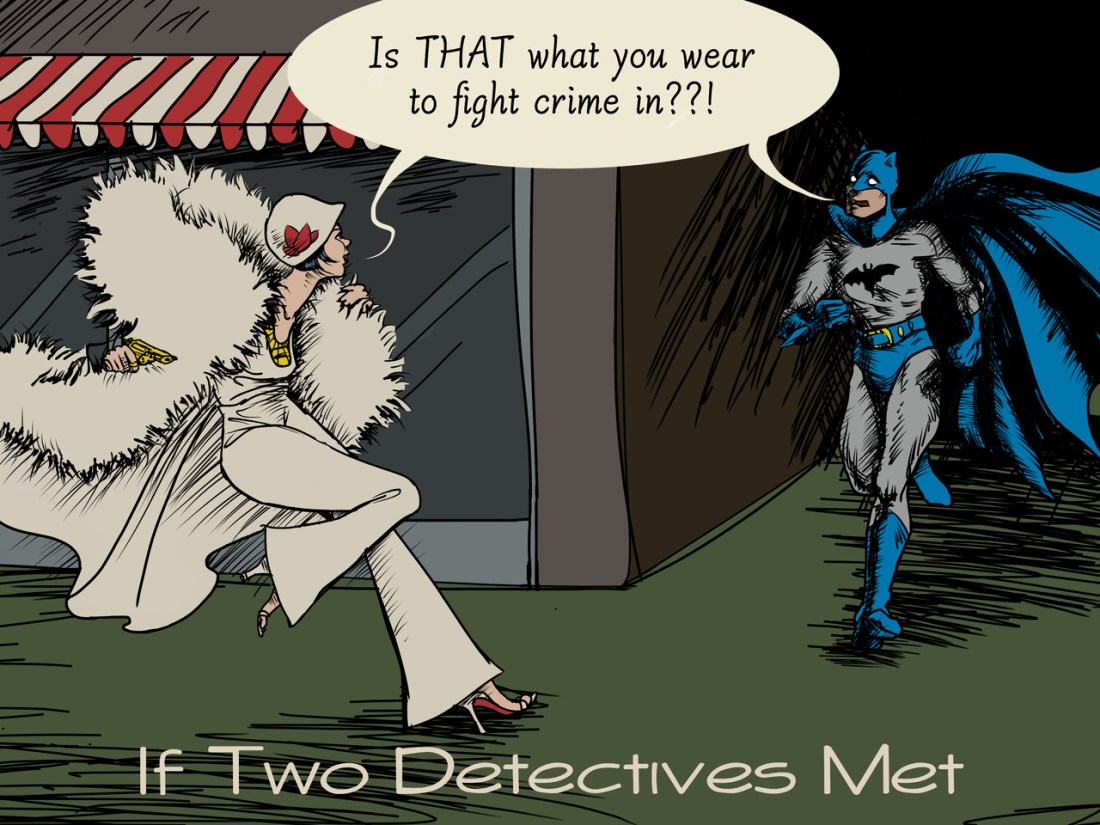
*takes an ant outside and lets it free instead of killing it* This one is for you Paul Rudd.

*takes a spider outside* this is for you Tom Holland

*takes a mantis outside* This is for you Pom Klementieff

*feeds some birds* this is for you Anthony Mackie

*waters some trees* This is for you Groot

*pets cat* this if for you Chadwick

*pets roomba* this is for you dum-e

*overthrows America’s burgeoning fascist regime* this is for you Steve

vulture-kitty:

kitvin-the-k9:

benkling:

DRYP – an app that keeps your plants alive and happy

Hi Tumblr!

I know I’ve been gone for a while.

In part it’s because I’ve been working on an app!

I keep a lot of plants. I think everyone should!

– They clean your air
– They give you something to name
– They give you something to take care of
– They teach you about care, needs, and resources
– They make you look like you’re good at decorating

Here are some of mine:

But some people, because they’re overwhelmed or simply can’t figure out how to start, think that plants are out of their reach.

DRYP is for newcomers and experts.

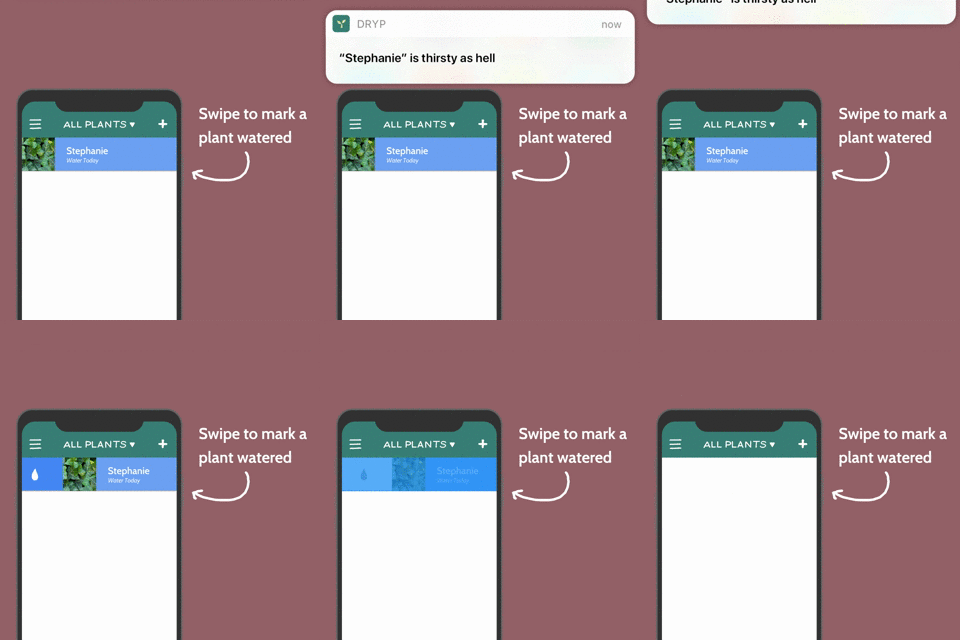
It reminds you when to water

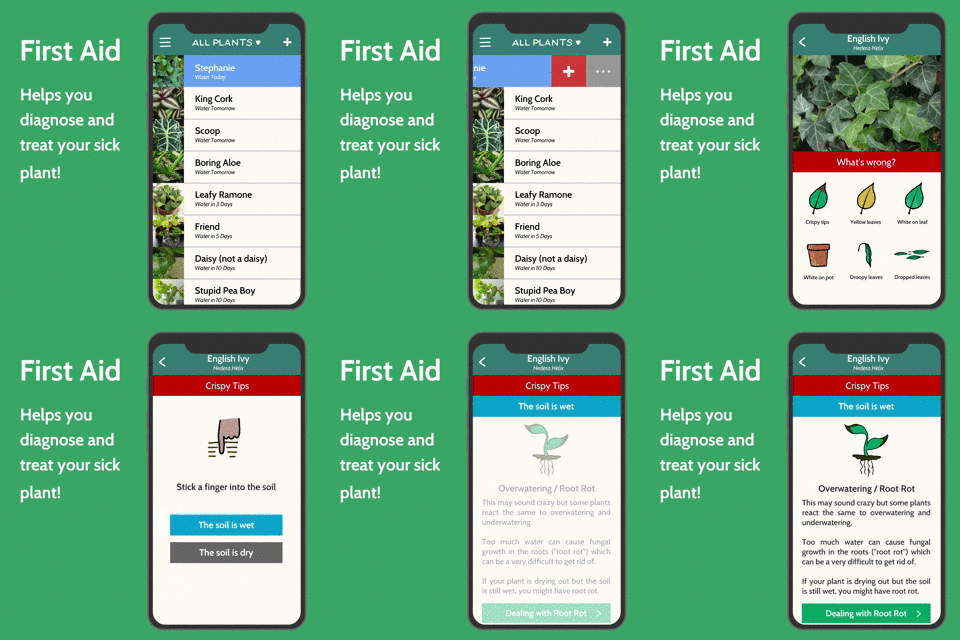
And it helps you fix what’s broken

If you think the world would be better with this app in it, please consider contributing to the Kickstarter!

I’ve tried to make it worth your while:

Again here’s the link to contribute:

DRYP – an app that keeps your plants alive and happy


And if you like me / if you like my idea, please signal boost!

@drypforplants on Twitter and instagram

guys I just checked and they need a lot more to get to their goal ;^; there’s only 17 days left!!!

Y’all?????