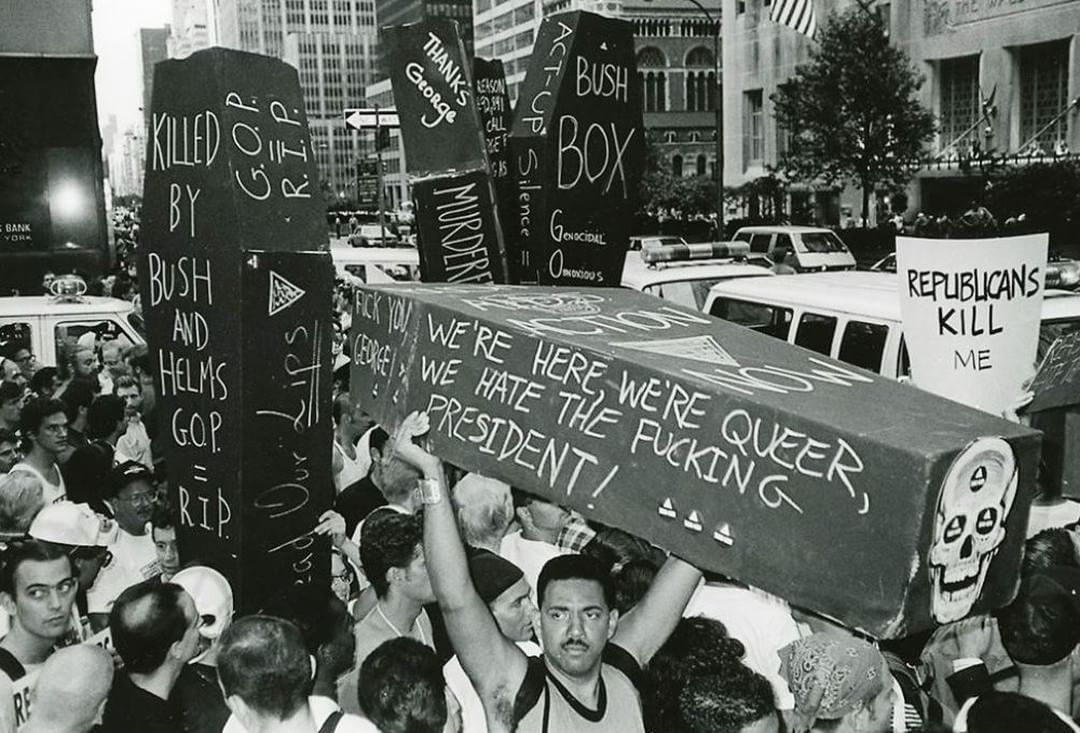
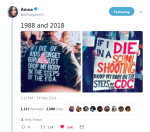
As U.S. President, George H.W. Bush, among other things, cut AIDS research funding, banned HIV-Positive people from entering the country, encouraged “behavioral change” to the exclusion of comprehensive sexual education, and extended/expanded many of the murderous AIDS policies of Ronald Reagan, for whom Bush served as Vice President. By the end of 1993, over 194,000 HIV/AIDS related deaths had been reported in the United States. Approximately 133,000 of which were during Bush’s one term as President. Between 1987 and 1992, the median age at death among men in the United States that died from HIV/AIDS related causes was 38; among women the median age was 34. George H.W. Bush died November 30th 2018 at the age of 94. May he rot in Hell alongside Ronald Reagan! 🖕
THANK YOU FOR THIS POST. If I saw one more news headline today about how great this mass murderer was I was gonna barf.
Give a shoutout to your favorite LGBTQIAP+ book! 🌈📚
Everyone NEEDS to read I’ll Get There. It Better Be Worth the Trip. by John Donovan. First young adult novel with LGBT themes, published spring of 1969 by a gay New Yorker (the proximity to Stonewall is amazing), and it would be a beautiful, amazing book worth reading even if it weren’t historically important.
I’ve never heard of this one! Sounds like a great read for Pride Month!
not my favorite, but my first gay book was A Boy’s Own Story by Edmund White. it’s set in the 1950s, so it’s got some historical context. also, my high school english teacher gave it to me before i had come out to anyone, and that was honestly such a read
I love that I’m hearing about all of these older LGBTQ+ books that we don’t often hear about anymore! Thank you for sharing!
If we’re going older books, I think more people need to know about Peter McGehee and Doug Wilson’s trilogy of autobiographical novels. They’re devastating, beautiful, and burn bright with life and humour in the midst of dying, at the height of the AIDS crisis. They do have sexual content and difficult subject matter, so they’d be for mature readers who are ready for that, but I think they’re important, and most people don’t know they exist. I read them first in my very early twenties, and they will never leave me or my bookshelf.


 knitting in the dark